A Complete Guide to Choosing the Right Paint for Your Home

Paint

Paint is one of the easiest yet most powerful ways to change your home. Whether you’re renovating a whole house or just freshening up one room, the kind of paint you decide on affects everything-from appearance and durability to mood and maintenance. With so many colours, finishes, and brands on offer today, choosing the right one can often be daunting. This guide breaks it down step-by-step so that you make confident, beautiful decisions for every corner of your home.

Why Choosing the Right Paint Matters

The paint you select affects:

  • The brightness and feel of each room
  • Long life of your walls
  • The cost of maintenance
  • The style and mood your house gives out.

It could be peeling, fading, mismatched colors, or high costs of repainting. That is why it is important to understand how paint behaves in various rooms and under different lighting conditions.

Paint Types & Where to Use Them

Not every paint fits into every surface. Let me break it down:

1.  Water-borne (Acrylic Emulsion)
  • Best for interior walls
  • Smooth, matte or soft sheen
  • Durable and low maintenance
2. Enamel
  • Perfect for metal, wood, doors, and windows
  • Hard, glossy finish
  • High durability
3. Distemper
  • Budget-friendly
  • Suitable for rental homes
  • Not highly durable
4. Painting in texture
  • Accent or feature walls are used for
  • Adds depth, patterns, or character
5. Oil-Based Paint
  • Excellent finish
  • Long drying time
  • Best for trims and frames

Understanding the type of paint assures that the paint used will last longer and provide effective outcomes wherever it is used.

Colour Selection by Purpose of the Room

Colour psychology plays an important role in home design. Before choosing paint, think about the purpose of each room.

Living Room

Warm neutrals like beige, ivory, taupe, or light grey make for a room that is inviting, especially when paired with furniture.

Bedroom

Soft pastels—lavender, sage green, baby blue—promote calmness and help with relaxation.

Kitchen

Semi-gloss paint in lighter colours is a good choice since it is resistant to stains and easier to clean.

Bathroom

Try using water-resistant paint-white, blue, sea green, or grey for a cleaner and fresher look.

Check Lighting Before Choosing Paint

Lighting completely changes how paint looks on your walls.

Natural Light
  • North-facing rooms: choose warm shades
  • South-facing rooms: cooler tones work well
Artificial Light
  • Yellow lights warm up the shade
  • White lights make colours appear cooler

Always test a paint patch in morning, afternoon, and evening light to understand its true look.

How to Pick the Right Paint Finish for Each Room

The finish affects shine, maintenance, and overall appearance.

Matte Finish
  • Non-shiny
  • Hides wall imperfections
  • Great for bedrooms and living rooms
Satin Finish
  • Slight sheen
  • Easy to clean
  • Ideal for dining rooms, hallways
Semi-Gloss Finish
  • More shine
  • Very durable
  • Best for kitchens and bathrooms
Gloss Finish
  • High shine
  • Used on doors, trims, and furniture

Preparation of the surface plays an important role

Even premium paint won’t look good on an unprepared surface. Make sure to:

  • Clean stains
  • Repair cracks
  • Treat dampness
  • Sand rough patches
  • Apply primer for long-lasting results

Correct surface preparation can double the lifespan of your painting job.

 How to Choose the Best Paint for Interior Walls

Interior walls face daily wear—fingerprints, dust, moisture, and sunlight. Here’s how to choose the right paint:

✔ Consider washability

Go for washable or stain-resistant variants if you have kids or pets.

✔ Pick low-VOC paints

Better for health, especially in bedrooms and study rooms.

✔ Match with furniture

Your sofa, curtains, wooden décor, and flooring should complement your paint shades.

✔ Think long-term

Premium paints last 5–7 years without major fading.

Maintenance and Durability Tips

To keep your home looking fresh:

  • Use gentle cleaners
  • Wipe stains immediately
  • Repaint high-traffic areas more frequently
  • Use anti-fungal paint in damp areas

Good maintenance  also keeps your paint looking new even after years of application.

Budgeting: Price vs. Value

Paint prices vary based on:

  • Brand
  • Finish
  • Coverage
  • Durability

Premium paints be more costly at the outset but offer long-term savings because you won’t need to repaint as frequently.

Some recommended brands in India are: 

  • Asian Paints
  • Berger
  • Nippon
  • Dulux
  • JSW Paints

These brands come with a wide range of shades and high-performing products within variable budgets.

Final Checklist Before You Buy

Before finalizing your paint selection, ask yourself:

  • Does this colour fit the room’s purpose?
  • Does it match my existing furniture?
  • Is the finish suitable for the space?
  • Will the paint handle humidity?
  • Is it easy to clean and maintain?
  • Have I tried shooting it under real light?

If all answers are yes, you’re good to go!

Conclusion

It will be easy to select the proper paints for your house once you know about colours, finishes, lighting, durability, and room purpose. However, even with all that knowledge, a faultless finish depends on proper surface preparation and expert application. That’s where The Value Homes comes in to make life easier.

From painting to waterproofing, complete renovation, tile & marble laying, and surface treatment, The Value Homes offers a range of high-quality, professional home improvement services throughout Chennai. If you want your home to look clean, stylish, durable, and just right to the perfect finish, then just get in touch.

📞 Contact The Value Homes: 98840 94443
For expert painting and home renovation support, one call is all you need.

Share:

More Posts

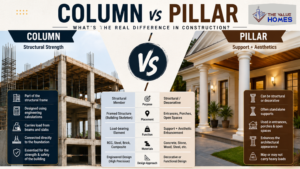
Column vs Pillar

Column vs Pillar: What’s the Real Difference in Construction?

During the process of building a house, most people come across terms such as columns and pillars, which are used interchangeably. However, knowing the Column vs Pillar difference is vital since both have different purposes and functions in construction projects. Although they may appear alike, columns and pillars vary in their purposes, uses, designs, and function. Understanding these variations will help one become knowledgeable when choosing between these two terms during construction, thus making the right choices. Understanding the Basics of Columns and Pillars Columns and pillars are vertical structural members that are used in construction projects to support structures. The main function of these two is transferring loads from the upper parts of the building to its foundation. Despite having similar purposes, columns and pillars have some significant variations. The definition of a column is a structural element that is designed to carry compressive loads. In construction, it is used as a structural element in buildings, and it is specifically designed according to the loading requirements of the structure. Pillar, on the other hand, is a free-standing vertical structure. Pillars are mostly used for their architectural appearance in buildings. This understanding is key in construction projects today. Column vs Pillar – Key Differences The major distinction between a column and a pillar comes in terms of structural function and positioning. Columns Pillars In other words, all columns can work as pillars in some situations, but all pillars may not necessarily be structural columns. What Is a Column in Construction? A column is among the most vital structural elements in modern constructions. The column transmits the load from the roof, slabs, and beams to the footing and foundation. Columns are generally made using: In residential houses, the most common type of columns is RCC columns. Features of a Column Without properly designed columns, a building may become structurally weak and unsafe. What Is a Pillar in Construction? A pillar is a vertical supporting structure which may be functional, aesthetic, or both. Pillars have been in use since time immemorial, and can be found in temples, old buildings, verandas, and entrances among other places. Modern houses also make use of pillars to enhance the beauty of their structures while at the same time offering support to the roof or portico. Features of a Pillar Decorative pillars are normally made using concrete, stone, wood, or metal depending on the design of the house. Importance of Columns in Modern Homes – Column vs Pillar Understanding Columns are very significant in modern RCC framed buildings because they form the backbone of the buildings. Benefits of Properly Designed Columns Well-designed columns are necessary in ensuring safety and longevity of buildings. Importance of Pillars in Home Design Pillars are often used to enhance the appearance of a property while providing support in selected areas. Benefits of Pillars Many luxury homes use decorative pillars to create a premium look. Materials Used for Columns and Pillars The choice of materials depends on the structural requirement, design preference, and budget. Common Materials for Columns Common Materials for Pillars In most residential projects, RCC remains the preferred material because of its strength, durability, and cost-effectiveness. Can a Pillar Be Called a Column? It is one of the most frequently asked questions by homeowners. From a technical point of view, there may be cases when a structural pillar that bears any loads behaves like a column. Nevertheless, in engineering science, columns are structural components that bear loads in a frame structure. Pillars are generally used in a more broad sense and may be decorative vertical constructions. That is why professional civil engineers and architects use the term “column” to refer to such structures. Common Mistakes People Make Homeowners are usually concerned about the aesthetic side of pillars but forget about proper column construction. Common Construction Mistakes These mistakes can seriously affect the stability of a building. Which Is More Important in House Construction? Modern housing requires more attention to columns than to pillars since columns have a direct influence on the stability of the building. Pillars mainly contribute to: A strong column layout designed by experienced structural engineers ensures that the house remains stable for many years. How Professionals Decide Column Placement Column placement is carefully planned based on: Improper positioning of the columns will add to the expenses of the construction and will decrease efficiency. This is the reason why the role played by professional planners and engineers becomes very crucial during the construction of houses. Conclusion Column vs Pillar knowledge can be advantageous to homeowners when constructing their houses. Even though both are vertical structures, while columns are mainly meant for supporting weight and making the house stable, pillars are mostly meant for support and adding beauty to the house. In the case of RCC houses, proper construction of columns makes the house more secure, strong, and durable. On the other hand, pillars help in adding beauty to the house. Using the best construction techniques and materials will result in construction of a house that is both beautiful and durable. The Value Homes ensures that each and every one of its projects is well balanced in terms of structure and construction quality.

Repainting Tips for a Perfect Home

Repainting Tips: When Should You Repaint Your House?

Repainting tips are essential for every homeowner who wants to maintain their home’s appearance and durability. Many people wonder when should you repaint your house, especially when dealing with fading walls, peeling paint, or weather damage. Understanding the Importance of Repainting While painting enhances the appearance of your home, it is also an effective barrier against external factors. Good paint acts as a protective shield for your walls against dust, water, sun, and other elements. Eventually, even the most durable paint will weaken from constant exposure to the environment. Consistent repainting guarantees that your house remains safeguarded and attractive. Failure to repaint your house could result in more serious problems in the future. Common Signs Your House Needs Repainting Some of the best indicators that it is time for your home to be repainted include some visible signs. Peeling or Cracking Paint When paint flakes off or peels, it reveals the surface underneath and leaves it open to moisture and damage. Fading Colors As a result of sun exposure and adverse weather conditions, fading colors give an old look to your house. Damp Patches and Stains These stains point to potential leakage problems, which need to be fixed in addition to painting. Chalking If you notice a powdery residue when touching the wall, it means the paint is deteriorating and needs replacement. When Should You Repaint Your House Based on Area? To determine when it is time to repaint your house, it is essential to consider various areas and factors about them. Exterior Walls Exterior walls are constantly exposed to sunlight, rain, and pollution. It is recommended to repaint them every 5 to 7 years, or sooner if damage appears. Interior Walls Interior walls typically need repainting every 3 to 5 years, depending on wear and tear. High-Traffic Areas Spaces like kitchens, living rooms, and hallways experience more usage and may require repainting every 2 to 3 years. Impact of Weather on Paint Durability Weather conditions play a major role in how long your paint lasts, especially in cities like Chennai. Because of these factors, homes in humid and coastal regions often require more frequent repainting compared to other areas. Benefits of Repainting on Time Repainting your home regularly offers several advantages beyond just aesthetics. Protects Your Walls A fresh coat of paint acts as a barrier against environmental damage, preventing moisture from entering the walls. Enhances Appearance New paint instantly refreshes your home, making it look clean, modern, and well-maintained. Increases Property Value A freshly painted house creates a positive impression and can improve resale value. Prevents Expensive Repairs Timely repainting helps identify and fix minor issues before they turn into major problems. Following the right repainting tips can help homeowners save money and extend the life of their walls. Best Time of Year to Repaint Your House Choosing the right time of year is important for achieving long-lasting results. Dry conditions help paint adhere better and dry faster, resulting in a smoother finish. Professional Painting vs DIY While DIY painting may seem like a cost-saving option, professional painting services often deliver better results. Advantages of Hiring Professionals Working with experienced companies like The Value Homes ensures that your home gets a durable and high-quality finish along with expert guidance. Expert Tips for Long-Lasting Paint To extend the life of your paint and maintain your home’s appearance: These simple practices can significantly increase the lifespan of your paint. Top Repainting Tips for Long-Lasting Results When Repainting Alone Is Not Enough However, there may be instances where repainting alone will not be sufficient. In case your home experiences dampness, cracks, or leaking, then other actions such as waterproofing and structural repairs may become necessary. Disregarding the problem and painting over it will only result in repeated damages and cost you more money. It is advisable to deal with the core issue before painting your house. Conclusion The importance of learning about repainting tips and figuring out when should you repaint your house cannot be overemphasized. From recognizing the need to repaint to doing it at the perfect time and using the right approach, repainting becomes very important. Properly done repainting will go a long way in preserving your property’s beauty, value, and longevity. For the best results, working with trusted experts like The Value Homes ensures high-quality materials, proper execution, and long-lasting finish for your home.

Curing Process in Construction

Curing Process in Construction: The Secret Behind Strong and Durable Homes

Introduction When building a house, most people focus on materials like cement, steel, and bricks. However, one crucial step that often gets overlooked is the curing process in construction. It may seem that once the cement has been poured in a structure, the building immediately gains strength. However, the actual strength of a building depends a lot on proper curing. Particularly in places like Chennai, which experience high temperatures, improper curing can cause cracking, loss of strength, and further deterioration of buildings. In this blog, we will discuss the concept of curing and how it is carried out in construction. What is the Curing Process in Construction? Curing means retaining a good amount of moisture content in concrete after pouring the same. Curing helps in the process of hydration in concrete, wherein cement mixes with water. This process is responsible for making the concrete hard and durable. If concrete lacks moisture, then the hydration process will stop early and concrete may become weak. Why is Curing Important? 1. Improves Strength The correct process of curing increases the strength of the concrete material. Otherwise, it will make the building weak and prone to collapse after some years. 2. Prevents Cracks The fast drying process leads to cracking on the surface of the material. These cracks can result in further damages and leaks of water. 3. Enhances Durability The right curing process increases the durability of the concrete material and protects it from environmental conditions. 4. Protects Against Heat Damage During summer, water evaporates easily due to high temperatures. The curing process helps in maintaining moisture levels in the material. Types of Curing Methods 1. Water Curing This is the most used curing technique for construction materials. It involves spraying water onto the surface of the concrete. 2. Ponding Method In this process, barriers are erected on the flat surface such as slabs, and water is continuously stored. 3. Covering Method The concrete slab is covered with wet substances such as gunny bags or cloths. The coverings help in retaining moisture. 4. Membrane Curing A chemical substance is applied to the surface of the concrete to protect against water loss. How Long Should Curing Be Done? Curing time is very important in attaining optimum strength. As a general principle, curing must be carried out for at least 7 consecutive days. Extended periods of curing usually produce stronger concrete. Common Mistakes in Curing ❌ Stopping Too Early Halting the process after a couple of days is among the most common errors. ❌ Inadequate Watering Dampening only with sprinkling is insufficient; the concrete requires deep moisture saturation. ❌ Ignoring Weather Conditions Curing becomes more frequent during hot weather. Omitting this step may compromise the integrity of the construction. ❌ Irregular Curing Continuous curing is necessary. Intermittent curing becomes less effective when done on alternating days. What Happens if Curing is Not Done Properly? The consequences of improper curing include: In conclusion, improper curing negatively impacts the quality of your home. Practical Curing Tips for Better Results Regular and consistent watering is essential throughout the curing period Slabs benefit greatly from the ponding method, which keeps the surface continuously wet To prevent moisture loss, cover the concrete and avoid direct sunlight exposure Keeping an eye on the curing process helps maintain construction quality Skipping curing during the first 7–14 days can seriously affect strength Why Professional Builders Prioritize Curing The most knowledgeable construction firms know that curing is necessary. This will affect the durability, performance, and strength of the whole structure. Construction experts adhere to curing techniques to build homes that last long. Conclusion While curing is a seemingly small part of building, its importance cannot be understated, and it can play an enormous part in how strong and long your building will last. Correctly applying the curing procedure will assure you a house that is strong and durable. However, ignoring this important factor can result in unnecessary costs and problems in the future. Hence, while building your ideal house, pay close attention to curing and not just on materials used. Since your perfect home will not only depend on concrete but also on its curing. Why Choose The Value Homes for Quality Construction? As far as creating a durable and long-lasting house is concerned, each and every stage is important – from construction to finishing. The curing stage during the construction of any property is also very important, and this is where The Value Homes stands out. No matter what the project is – construction, renovation, painting, waterproofing, or costing – our team will offer you complete solutions. In order to build your dream house, The Value Homes is always here for you. Call or WhatsApp us at +91 98840 94443 for expert construction support and a free estimate.

Best Builders in Chennai

Top Reasons The Value Homes Is Trusted as One of the Best Builders in Chennai

Selecting the best builder is perhaps the most critical choice to make as a homebuyer. As the real estate sector in Chennai is in a constant phase of change, today’s customer not only looks for a beautiful home but also seeks quality, safety, and transparency in the product. Out of all the numerous builders in the city, The Value Homes has managed to carve a niche as one of the best builders in Chennai by offering well-designed and affordable homes. Following are the top reasons why The Value Homes has managed to gain the confidence of thousands of customers and become one of the best in the residential sector of the city. 1. Proven Track Record of Quality Construction Quality is at the back of The Value Homes’ reputation. Every property is developed with strict engineering standards to ensure strength, durability, and safety. The company adheres to: This attention to engineering detail ensures that every customer gets a property that lasts, with minimal maintenance problems in the long term. 2. Transparent Processes and Clear Communication In an industry where extra costs and unclear timelines are standard practice, The Value Homes has earned its customers’ trust through its transparent and customer-centric approach. The company is transparent in: This approach ensures that every customer experiences a hassle-free buying process, particularly those buying their first property and look for reliability and honesty in their builder. 3. Projects Delivered On Time One of the biggest factors in determining how credible a builder is lies in their ability to deliver on time. This is where The Value Homes stands out in its ability to deliver projects on time through: Not only does this enhance customer trust in the builder, but it also ensures that the customer’s financial planning is not affected in case they have to take loans and EMIs. 4. Customer-Centric Approach in Every Stage From the point of inquiry to delivery, The Value Homes focuses on ensuring that the customer’s needs are met in every way. This includes: This approach to ensuring that the customer is provided with every opportunity to make an informed decision is where The Value Homes stands out in its ability to make its customers recommend it to their family and friends. 5. Strong Emphasis on Safety and Structural Strength The environmental conditions faced by homes in Chennai include humidity, monsoon, and coastal conditions. At The Value Homes, special attention is given to: By giving prime importance to structural safety, homes at The Value Homes can last for decades. 6. Modern Design with Practical Planning A home should always be comfortable, functional, and beautiful. At The Value Homes, all three aspects come together in: Whatever may be the size of the property, a home at The Value Homes will always be functional and suitable for a modern lifestyle. 7. Affordable Pricing Without Compromising Quality Being one of the best builders in Chennai doesn’t mean being one of the costliest. At The Value Homes, a perfect balance is struck between cost and quality by: This makes homes at The Value Homes suitable for middle-class families, first-time buyers, and investors looking for high returns on their investments. 8. Strong After-Sales Support and Long-Term Reliability However, a builder’s job does not end there. The Value Homes provides excellent support services even after handing over the keys. Some of the services provided are: This provides a sense of security to the customers even after occupying the house. 9. Why The Value Homes Stands Out Among the Best Builders in Chennai However, the most important thing for The Value Homes is the brand image created among the existing customers. Customers always prefer to hear good things from existing customers. Many customers appreciate the following things from a builder: This high trust factor makes The Value Homes a brand recognized for being reliable Conclusion  Homebuyers today don’t just want a house; they want a house that is safe, long-lasting, and well-planned, built by a builder they trust. The Value Homes promises to deliver all this with quality, good engineering, customer-centric services, and transparency. It is for this reason that The Value Homes is recognized as one of the best builders in Chennai. If you’re planning to buy a home that combines construction quality, reliability, and affordability, The Value Homes stands out as a trustworthy and future-ready choice.

Send Us A Message

Scroll to Top